
Lutein is a naturally occurring plant compound that plays an important role in maintaining healthy vision. It belongs to a group of nutrients known as carotenoids, which are responsible for the bright colors found in many fruits and vegetables. This nutrient is especially concentrated in leafy green vegetables and other colorful plant foods.
One of the most important characteristics of lutein is its presence in the retina of the eye, particularly in an area called the macula. The macula is responsible for central vision, which allows people to read, recognize faces, and see fine details clearly. Because lutein accumulates in this part of the eye, researchers believe it contributes significantly to protecting visual health.
As modern lifestyles involve increased screen exposure and environmental stressors, maintaining eye health has become more important than ever. Learning about the benefits of lutein helps individuals understand how proper nutrition can support long-term vision and overall well-being.
Understanding What Lutein Is
Lutein is a powerful antioxidant that belongs to the carotenoid family of nutrients. Unlike some vitamins, the human body cannot produce lutein naturally, which means it must be obtained through diet.
Carotenoids such as lutein are found in many plants where they help protect cells from damage caused by excessive sunlight. When humans consume these nutrients, they provide similar protective benefits within the body.
Lutein is often referred to as an eye-supporting nutrient because it becomes concentrated in the retina and helps support visual function. In particular, it contributes to maintaining the health of the macula, the area responsible for detailed vision.
Many health experts emphasize the importance of lutein rich foods for eye health because they provide a natural way to support visual function through everyday nutrition.
Lutein and Protection Against Blue Light
One of the most important roles of lutein is its ability to help filter harmful blue light. Blue light is a high-energy light emitted by the sun as well as digital screens such as smartphones, computers, and televisions.
Excessive exposure to blue light may contribute to eye strain and discomfort. Because lutein accumulates in the macula, it acts as a natural filter that helps reduce the amount of blue light reaching sensitive parts of the eye.
This filtering effect may help protect the delicate structures of the retina from long-term damage. As screen use becomes increasingly common in daily life, nutrients that support eye protection have gained more attention.
Including lutein in a balanced diet may help support the eye’s natural defense system against environmental stressors.
Supporting Long-Term Vision Health
Another major benefit of lutein is its potential role in supporting long-term eye health. Antioxidants such as lutein help neutralize free radicals, which are unstable molecules that can damage cells.
Over time, oxidative stress may contribute to changes in eye health. Nutrients that provide antioxidant protection can help maintain the stability and function of eye tissues.
Research suggests that adequate intake of lutein may support visual performance and help maintain healthy macular function. This can contribute to clearer and more comfortable vision over time.
While lutein alone cannot guarantee perfect eyesight, it is considered a valuable part of a diet designed to support healthy vision.
Best Dietary Sources of Lutein
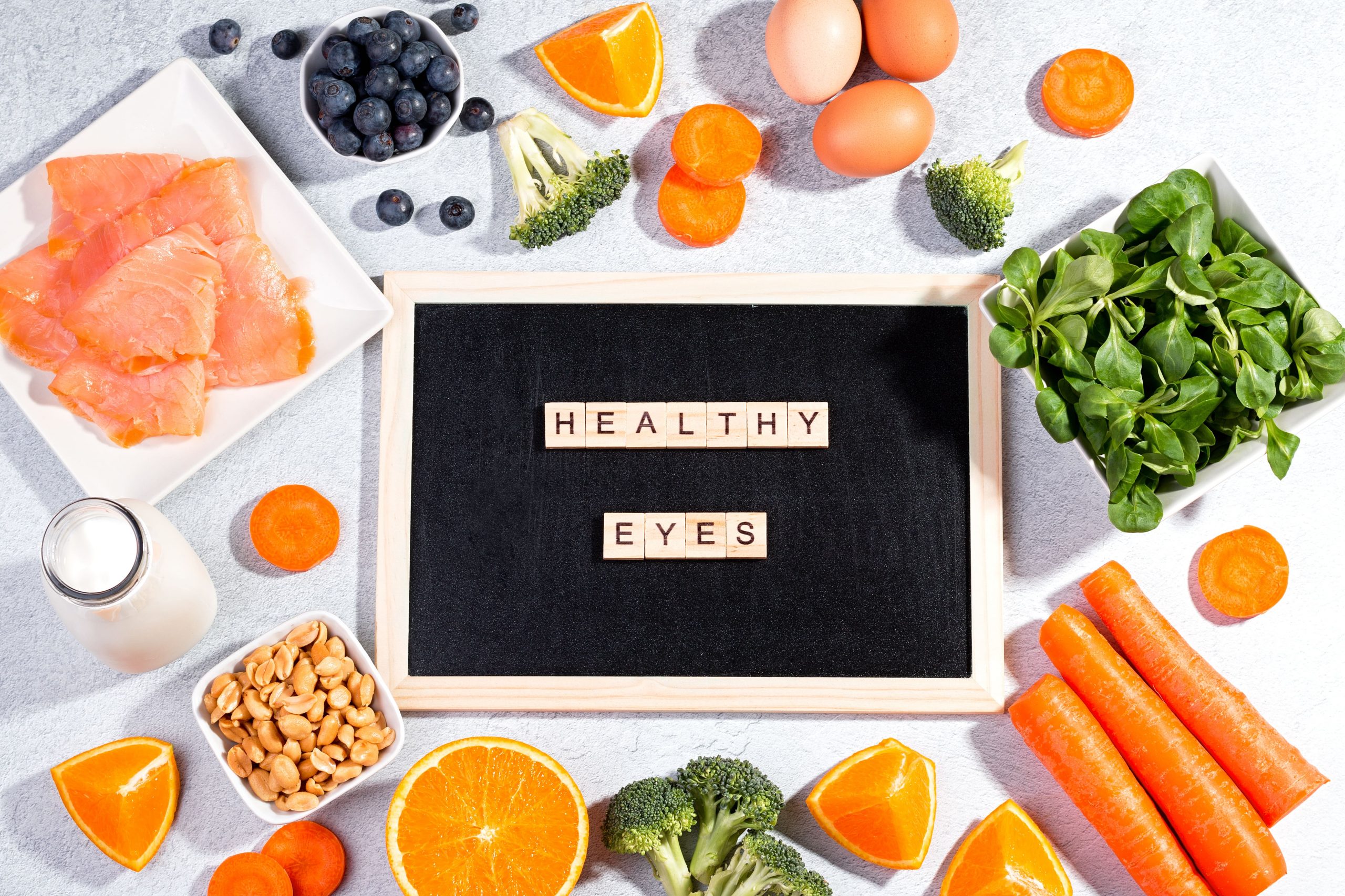
One of the best ways to obtain lutein is through natural food sources. Many vegetables and fruits contain this nutrient, particularly those with deep green or vibrant yellow and orange colors.
Leafy green vegetables such as spinach, kale, and collard greens are among the richest sources of lutein. These foods provide high concentrations of the nutrient while also offering other vitamins and minerals.
Other foods that contain lutein include broccoli, peas, corn, eggs, and avocados. Incorporating a variety of these foods into meals can help support adequate intake of this important compound.
Eating a diverse range of fruits and vegetables ensures that the body receives not only lutein but also other nutrients that contribute to overall wellness.
Lutein as Part of a Healthy Lifestyle
While lutein is an important nutrient for eye health, it works best when combined with other healthy lifestyle habits. Balanced nutrition, proper hydration, and regular eye care all contribute to maintaining strong vision.
Limiting excessive screen exposure, taking breaks from digital devices, and ensuring proper lighting while working or reading can help reduce eye strain.
Regular eye examinations are also important for detecting potential vision problems early. Eye specialists can provide personalized guidance on maintaining healthy eyesight.
When individuals combine good nutrition with healthy habits, they support natural wellness through nutrition, creating a comprehensive approach to maintaining both eye health and overall well-being.
Conclusion
Lutein is an essential nutrient that plays a valuable role in protecting and supporting eye health. As a carotenoid antioxidant, it helps filter harmful blue light, supports the structure of the retina, and contributes to maintaining clear vision. Because the human body cannot produce lutein naturally, obtaining it through food sources is important for maintaining adequate levels in the body.
Leafy green vegetables, colorful produce, and nutrient-rich foods provide natural sources of lutein that can easily be included in everyday meals. Along with other healthy nutrients, lutein contributes to protecting the eyes from oxidative stress and environmental factors that may affect long-term vision. Maintaining a balanced diet that includes these foods supports both eye health and overall wellness. By understanding the importance of nutrients like lutein and making mindful dietary choices, individuals can take proactive steps toward preserving their vision and promoting better health throughout their lives.